

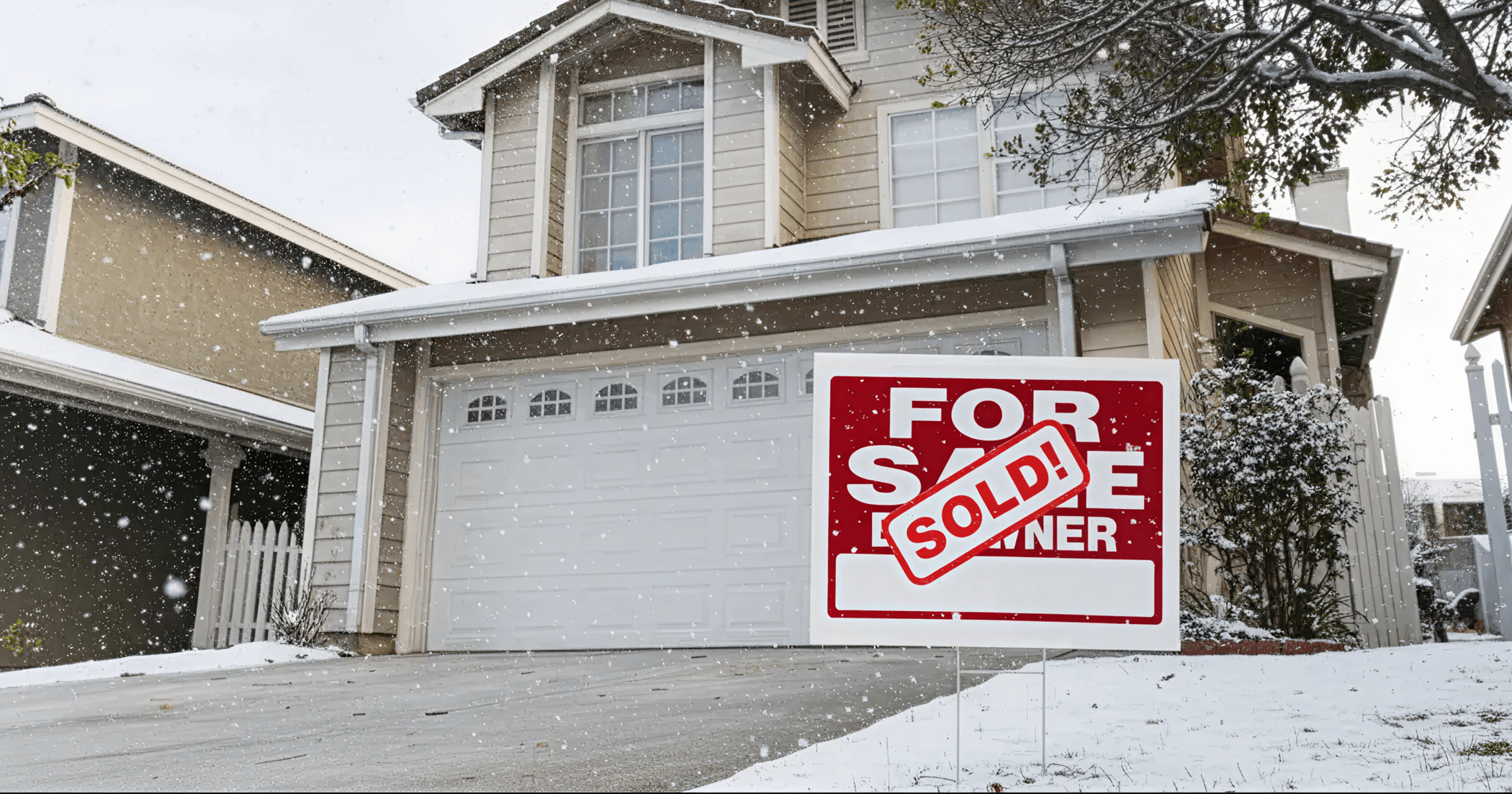
Congratulations on your new home in the beautiful Finger Lakes region! As you settle into your first winter here, you're probably discovering that homeownership comes with a learning curve - especially when it comes to keeping your home comfortable during those cold upstate New York winters.
Your HVAC system is one of the most important (and expensive) components of your new home, yet many first-time homeowners don't fully understand how it works or how to maintain it properly. Don't worry - we're here to help you navigate this essential system so you can stay warm, save money, and avoid costly surprises.
Understanding Your HVAC System Basics
Before you can properly maintain your system, it helps to understand what you're working with. HVAC stands for Heating, Ventilation, and Air Conditioning, and most Finger Lakes homes have one of these common setups:
Forced Air Furnace: The most common system in our area, using natural gas, propane, or oil to heat air that's distributed through ductwork. You'll find the furnace in your basement, utility room, or closet.
Heat Pump: An increasingly popular option that provides both heating and cooling. Heat pumps are highly efficient and qualify for significant rebates in New York State.
Boiler System: Uses hot water or steam distributed through radiators or baseboard heaters. Common in older Finger Lakes homes.
Take a few minutes to locate your system and identify which type you have. Check for a label on the unit that shows the make, model, and installation date - you'll want this information for maintenance and repairs.
Mastering Your Thermostat Settings
Your thermostat is your control center for home comfort, but knowing how to use it efficiently can save you hundreds of dollars each winter.
Optimal Temperature Settings: The Department of Energy recommends 68°F when you're home and awake. Every degree you lower your thermostat can save about 3% on heating costs. When you're sleeping or away, drop it to 60-62°F.
Understanding Thermostat Modes:
-
Heat: Activates your heating system when temperature drops below your setting
-
Cool: For air conditioning (not needed in winter)
-
Auto: Fan runs only when heating or cooling
-
On: Fan runs continuously (uses more energy)
Programmable Thermostats: If your home has one, take time to program it for your schedule. Set it to warm up 30 minutes before you wake up and cool down when you leave for work. This autopilot approach ensures comfort while maximizing savings.
One common myth: cranking your thermostat to 80°F won't heat your home faster. Your furnace works at the same speed regardless of the setting - you'll just waste energy heating to a higher temperature than needed.
Warning Signs That Need Immediate Attention
As a new homeowner, it's crucial to recognize when your HVAC system is crying for help. Contact a professional immediately if you notice:
Strange Noises: Banging, screeching, or grinding sounds indicate mechanical problems. A well-functioning system should run relatively quietly.
Unusual Odors: A burning smell during first use of the season is normal, but persistent burning, rotten egg (gas leak), or musty odors require immediate professional attention.
Uneven Heating: If some rooms are frigid while others are toasty, you may have ductwork issues, blocked vents, or a struggling system.
Yellow Pilot Light: Gas furnaces should have a blue flame. Yellow indicates incomplete combustion and potential carbon monoxide risk.
Skyrocketing Energy Bills: A sudden spike in heating costs often signals your system is working harder than it should.
Frequent Cycling: If your system turns on and off constantly, it's short cycling—a problem that reduces efficiency and lifespan.
Don't ignore these warning signs. What starts as a minor issue can quickly become an expensive emergency, especially during a Finger Lakes cold snap.
Creating Your Home Maintenance Binder
Organization is your best friend as a new homeowner. Create a dedicated binder or digital folder for all things HVAC:
-
Warranty information and registration cards
-
Owner's manuals for your heating and cooling systems
-
Purchase receipts and installation documentation
-
Service records and maintenance logs
-
Filter specifications and replacement schedule
-
Emergency contact numbers for your HVAC company
-
Home inspection reports related to HVAC
Update this binder after every service call or repair. This documentation becomes invaluable when diagnosing problems, filing warranty claims, or selling your home.
Your Partner in Home Comfort
Your first winter as a Finger Lakes homeowner doesn't have to be stressful. With basic knowledge, regular maintenance, and a trusted local HVAC partner, you can keep your home comfortable all season long.
At Finger Lakes Comfort, we've been helping homeowners just like you since 2011. Our veteran-owned team understands that new homeownership comes with questions, and we're here to provide straightforward answers without the jargon or sales pressure.
Ready to start your first winter off right? Schedule a new homeowner system consultation with Finger Lakes Comfort. We'll evaluate your system, answer all your questions, and create a maintenance plan tailored to your home and budget. Call us at (315) 359-9700 or visit https://fingerlakescomfort.com/ to book your appointment.
Welcome home, and here's to many warm, comfortable winters ahead!