

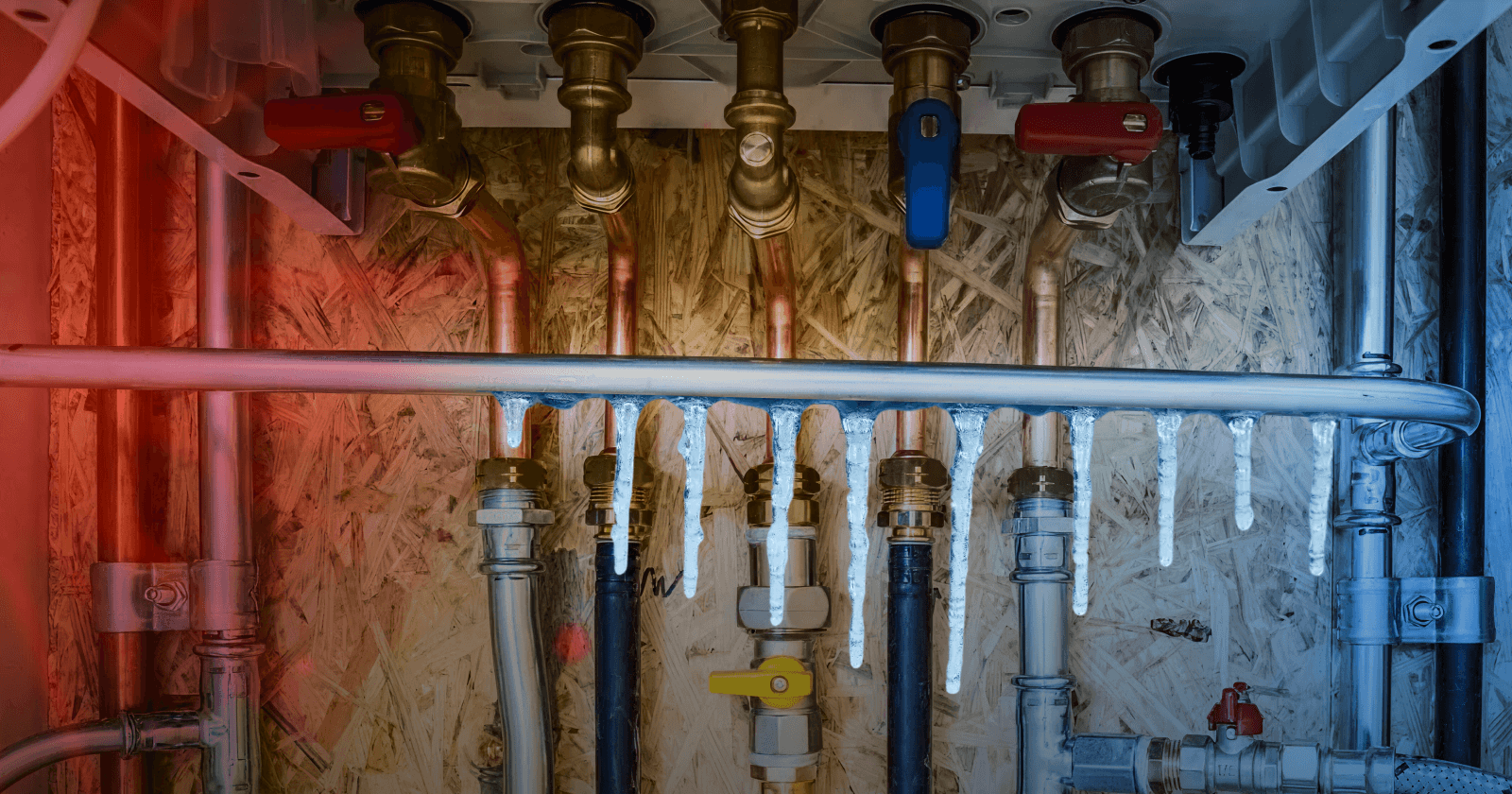
There's nothing quite like a Finger Lakes winter. And while the snow-covered views are beautiful, frozen pipes? Not so much.
When water freezes inside your pipes, it expands with enough force to cause cracks, bursts, and the kind of flooding that leads to frantic calls to your insurance company. We're talking thousands of dollars in damage, all because temperatures decided to nosedive.
The good news? You don't have to wait around and hope for the best. Here's how to protect your plumbing when winter gets serious.
1. Keep Water Moving
Still water freezes. Moving water doesn't - at least not nearly as easily.
When temps start dropping, let your faucets drip slowly, especially those connected to exterior walls or unheated spaces like your basement. If we're looking at single-digit temperatures, keep both hot and cold lines trickling. Yes, your water bill might tick up slightly, but it's nothing compared to the cost of a burst pipe.
2. Open Those Cabinet Doors
The pipes under your sinks are hiding behind closed doors where it's surprisingly cold, even when your heat is cranked up.
Pop open the cabinet doors under kitchen and bathroom sinks to let warm air circulate around the plumbing. It's such a simple move, but it makes a real difference.
3. Insulate Exposed Pipes
If you can see a pipe, it's probably at risk.
Head to the hardware store and grab some foam pipe insulation. Focus on anywhere that's unheated or poorly insulated:
-
Garages
-
Attics
-
Crawl spaces
-
Basements
Foam sleeves are cheap, easy to install, and they work.
4. Don't Forget Your Outdoor Faucets
Your outdoor spigots can be a direct line for cold air to reach the pipes inside your walls.
Before the deep freeze hits:
-
Disconnect and drain garden hoses
-
Shut off exterior water valves if you have them
-
Add insulated faucet covers for extra protection
5. What to Do If a Pipe Freezes
Turn on the faucet and only get a sad little dribble? You might already have a frozen pipe.
Here's your game plan:
-
Shut off your main water supply
-
Gently warm the frozen section with a hair dryer or warm towels, work slowly and don't rush it
-
Never, ever use a blowtorch or open flame (yes, people have tried)
If the pipe looks swollen, cracked, or you can't figure out where the freeze is, call a pro right away.
Stay One Step Ahead
Frozen pipes don't have to be part of your winter routine. A little prep work now saves you from major headaches, and major repair bills later.
If you're not sure where your home's vulnerable spots are, or if you need help thawing a pipe safely, we've got you. The team at Finger Lakes Comfort is always here to help keep your home running smoothly, no matter how low the mercury drops. Contact us today: https://fingerlakescomfort.com/